Kalulla Font: A Handwritten Typeface for Crafters and Product Makers
If you create physical products for a living, you know the right typeface can make or break a design. When I first tested Kalulla on a set of honey jar labels for my Etsy shop, I knew I had found something special. This handwritten script font walks a careful line between polished elegance and genuine handmade charm. It does not feel stiff or overly formal, yet it does not wander into messy or illegible territory. For anyone selling handmade goods, printables, or custom products, that balance is pure gold.
The Visual Personality of Kalulla
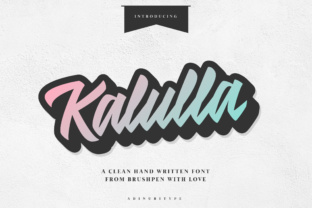
Kalulla is a clean, elegant handwritten typeface created with a brush pen and then carefully digitized. The result is a font that retains the natural pressure variation and subtle imperfections of real hand lettering, while offering the consistency and precision that modern production work demands. The strokes feel fluid without being overly swirly, and the letterforms remain highly readable even at smaller sizes. This makes Kalulla an excellent choice for product labels, business cards, letterheads, and any project where you need a personal touch that still looks professional.
Unlike many script options that lean either too casual or too ornate, Kalulla sits in a sweet spot. It feels approachable and warm, but it also conveys care and quality. When a customer picks up a product with Kalulla on the label, they subconsciously register that someone put thought into the presentation. That emotional reaction matters, especially in categories like beauty, food, home goods, and stationery, where perceived quality directly drives purchase decisions.
Practical Uses for Handmade Products and Printables
I have tested Kalulla across multiple product types in my own shop, and it performs beautifully in each context. Here are some of the most effective applications I have found:
- Candle and soap labels. The font reads clearly on small round or rectangular labels, and its elegant curves feel right at home on natural or minimalist packaging. I used Kalulla for a line of soy candles and received several compliments on the label design specifically.
- Wedding and event invitations. Because Kalulla strikes a refined yet friendly tone, it works well for save-the-dates, ceremony programs, and reception details. It pairs naturally with floral motifs or simple geometric borders.
- Greeting cards and note sets. Whether you are selling folded cards or flat printables, Kalulla gives the wording a heartfelt, hand-lettered look that buyers love for birthdays, sympathy notes, and congratulations.
- Farmhouse signs and wall art. For wood signs, canvas prints, or digital wall art downloads, Kalulla adds a rustic elegance that fits modern farmhouse, boho, and cottage aesthetics. Short phrases like Gather or Hello, Beautiful look especially striking.
- Planner pages and sticker sheets. The font remains readable at small point sizes, which is critical for bullet journal headers, weekly labels, and functional sticker designs. I created a set of kitchen planner stickers using Kalulla, and they sold consistently for months.
- Tote bags, mugs, and apparel. If you heat-press or screen-print, Kalulla transfers cleanly onto fabric and curved surfaces. I tested it on a ceramic mug with a white vinyl decal, and the fine details held up without weeding issues.
- Product tags and hang tags. For boutique clothing, handmade jewelry, or artisan food products, a Kalulla tag elevates the unboxing experience. It signals that the maker values presentation as much as the product itself.
- Seasonal and holiday packaging. Christmas gift tags, Valentine's Day treat bags, Easter basket labels, and Halloween favor tags all benefit from Kalulla's versatile charm. The font adapts to seasonal colors and motifs without looking out of place.
How Kalulla Affects Product Presentation and Brand Identity
Font choice is not just about aesthetics. It directly influences how customers perceive your brand and whether they remember you. Kalulla, with its clean brush-script style, communicates authenticity and attention to detail. When you use it consistently across labels, packaging, business cards, and social media graphics, you build a cohesive visual identity that customers recognize even before they read your shop name.
For small shop owners, brand recognition is often the difference between a one-time buyer and a loyal repeat customer. Kalulla helps you create that consistency without needing to hire a professional lettering artist. You can use it for logo design elements, product headers, taglines, and even short body text on packaging inserts. The font carries a handmade ethos that resonates with today's buyers, who increasingly value craftsmanship over mass production.
On a practical level, Kalulla also improves the perceived value of your products. A label or tag set in a generic font feels ordinary. The same item with Kalulla feels curated. That subtle shift can justify a higher price point and reduce price sensitivity among your target audience. I personally raised the price of my candle labels by 15 percent after switching to Kalulla, and sales did not drop.
Readability Considerations for Cutting Machines and Small Formats
One concern crafters often have with script fonts is whether they will cut well on machines like Cricut or Silhouette. Kalulla's clean letterforms and moderate stroke width make it a reliable choice for vinyl cutting. The open loops and well-defined joins reduce the risk of tearing or losing detail during weeding. For small stickers, I recommend setting the font size between 18 and 24 points for best results. At sizes below 14 points, some of the finer strokes may become delicate, especially on matte paper or rough surfaces.
For printed products like cards and tags, Kalulla remains readable down to about 10 points, which is excellent for a handwritten script. This makes it suitable for longer phrases on product inserts or ingredient lists, where you need the font to be legible without overwhelming the layout. Always test a print sample before committing to a large production run, especially if you are printing on textured or dark-colored substrates.
Font Pairing Ideas for Kalulla
Kalulla shines as a display font for headlines, names, and short phrases, but pairing it with a complementary typeface creates more polished and versatile designs. Here are some pairings I have successfully used:
- Kalulla + a clean sans serif font. A simple sans serif like Montserrat or Lato provides a neutral contrast that lets Kalulla remain the focal point. Use the sans serif for product descriptions, ingredient lists, or secondary text on packaging.
- Kalulla + a minimalist serif font. Pairing Kalulla with a serif like Playfair Display or Cormorant Garamond creates a sophisticated look for wedding stationery, boutique tags, or premium product lines. The serif adds structure while Kalulla brings warmth.
- Kalulla + a bold display font. For posters, signs, or social media graphics, combine Kalulla with a heavier display font for contrast. Use the bold font for main headings and Kalulla for subheadings or accent phrases.
- Kalulla + another script font. If you want a layered handmade look, pair Kalulla with a more casual or bouncy script for variety. Keep the second script simple so the combination does not become visually noisy.
When pairing, aim for contrast in weight, structure, or mood. Kalulla's fluid elegance balances well with geometric or neutral companions. Avoid pairing it with another highly ornate script, as the two may compete for attention.
Included Features and File Formats to Know
Based on what is available with Kalulla, it is important to check which specific styles, alternates, ligatures, and swashes are included in your purchase. Many handwritten fonts offer multiple character variations that add to the authentic feel. Alternates and ligatures allow you to avoid repeating the exact same letterform, which is especially valuable for longer phrases or repeated words in product lines. If you are designing a set of labels that all say Handmade, having alternate versions of the H and e keeps each tag feeling organic.
File format is another key consideration. Most modern font files include OpenType features that support alternates and ligatures, but you need compatible software like Adobe Illustrator, Photoshop, or Affinity Designer to access them. Some basic design apps and cutting machine software may not support advanced OpenType features, so test your workflow before buying. If you primarily use Cricut Design Space or Silhouette Studio, check whether the font's special characters are accessible in those programs, or be prepared to use standard letterforms only.
Multilingual support is also worth verifying. If you sell internationally or create products for multilingual markets, confirm that Kalulla includes the accented characters and special letters you need. This avoids last-minute font substitutions that can disrupt your brand consistency.
Commercial Licensing and Selling Physical Products
One of the most important practical considerations for any crafter or seller is commercial licensing. Kalulla, like most premium fonts, requires a commercial license if you intend to use it for physical products, digital downloads, templates, printables, SVG designs, merchandise, or client work. A standard desktop license typically covers personal use and small-scale commercial production, but the terms vary by foundry.
For Etsy sellers, Amazon handmade sellers, or anyone running a small shop, you need to confirm that your license covers the specific ways you plan to use the font. This includes physical products like labels, packaging, mugs, shirts, and signs, as well as digital products like printable invitations, planner pages, and SVG cut files. Some licenses restrict the number of sales or require an extended license for certain categories, such as apparel or digital templates. Always read the license agreement carefully and reach out to the foundry if anything is unclear.
Paying for a proper commercial license is an investment in your business. It protects you from legal issues and ensures that the font designer is compensated for their work. Given how much Kalulla can elevate your product line, the cost is easily recovered through improved sales and customer perception. Think of it as part of your design toolkit, as essential as good paper or quality vinyl.
Final Practical Notes for Using Kalulla in Your Craft Business
Before you start your next project, take a few minutes to test Kalulla in your actual production environment. Print a sample label at actual size, cut a vinyl decal, or create a mockup of your packaging. Look for legibility at the final scale, especially if your product uses small text. Check how the font reads on your chosen material, whether that is kraft paper, glossy sticker paper, matte vinyl, or ceramic.
If you are designing for multiple products, consider building a small brand style guide that specifies which font pairings you use for headers, subheaders, and body text. Consistency across your product line strengthens your brand identity and makes your shop look more professional. Kalulla can be the centerpiece of that system, the handwritten touch that tells customers your products are made with care.
For smaller items like lip balm labels, keychain tags, or mini gift cards, use Kalulla for the main word or name and pair it with a simpler font for any supporting text. This keeps the design clean and prevents the script from feeling cramped. For larger items like welcome signs, wall art, or tabletop decor, let Kalulla take center stage with minimal additional elements.
Kalulla is more than just a pretty typeface. It is a practical tool for makers who want their products to stand out in a crowded marketplace. Whether you are labeling a batch of candles, designing a wedding invitation suite, or creating a line of printable art, this font brings a refined handmade quality that customers notice and appreciate. Add it to your font library, test it in your next project, and see how it transforms your product presentation.